What to Expect From a Car Electrical Repair Service
The electrical system of a vehicle is its backbone, facilitating everything from the ignition process to effective navigation and entertainment systems. Ensuring that this system operates optimally is crucial not only for daily functionality but also for the overall safety of the vehicle. Professional car electrical repair services can offer specialized attention and skills that the average car owner may lack, addressing issues more comprehensively and efficiently.
Among the myriad of problems that can afflict a car's electrical system are battery failures, faulty wiring, and malfunctioning sensors. Each of these issues can lead to larger complications if they aren't addressed promptly and properly. Understanding the role of a professional repair service can help car owners recognize when and why to seek expert assistance, ultimately prolonging the vehicle’s lifespan and ensuring a smoother driving experience.
Car electrical issues are not uncommon, and their complexity demands a detailed and systematic approach to diagnosis and repair. A reputable electrical repair service will not only fix existing issues but will also provide regular maintenance checks to prevent future problems. Knowing what to expect from such a service can empower car owners to make informed decisions and investments into their vehicle's health.
Initial Consultation and Diagnostics
Scheduling an Appointment
The first step in addressing electrical issues is scheduling an appointment with a trusted repair service. It's essential to communicate any symptoms or anomalies you've noticed to ensure the technicians have a baseline understanding of potential issues. By providing detailed information during the scheduling phase, the service can allocate adequate time and resources for your vehicle's inspection. Advanced scheduling often allows the service to prepare any specific modules or software updates your car might need. Timely appointments can prevent minor issues from escalating into costly repairs, particularly given that the average cost of car repairs in the United States is $838, according to Kelley Blue Book.
Initial Car Inspection
A thorough car inspection is the foundation of any successful repair process. This entails a detailed examination of the car’s exterior and interior components, focusing especially on areas that seem problematic. During this phase, the technician will check all visible electrical connections and components to detect any apparent faults. Visual inspections often reveal telltale signs of wear or damage, such as frayed wires or corroded battery terminals. These initial findings guide the more in-depth diagnostic process, helping technicians to tailor their approach appropriately to identify the root of the problem.
Use of Diagnostic Tools
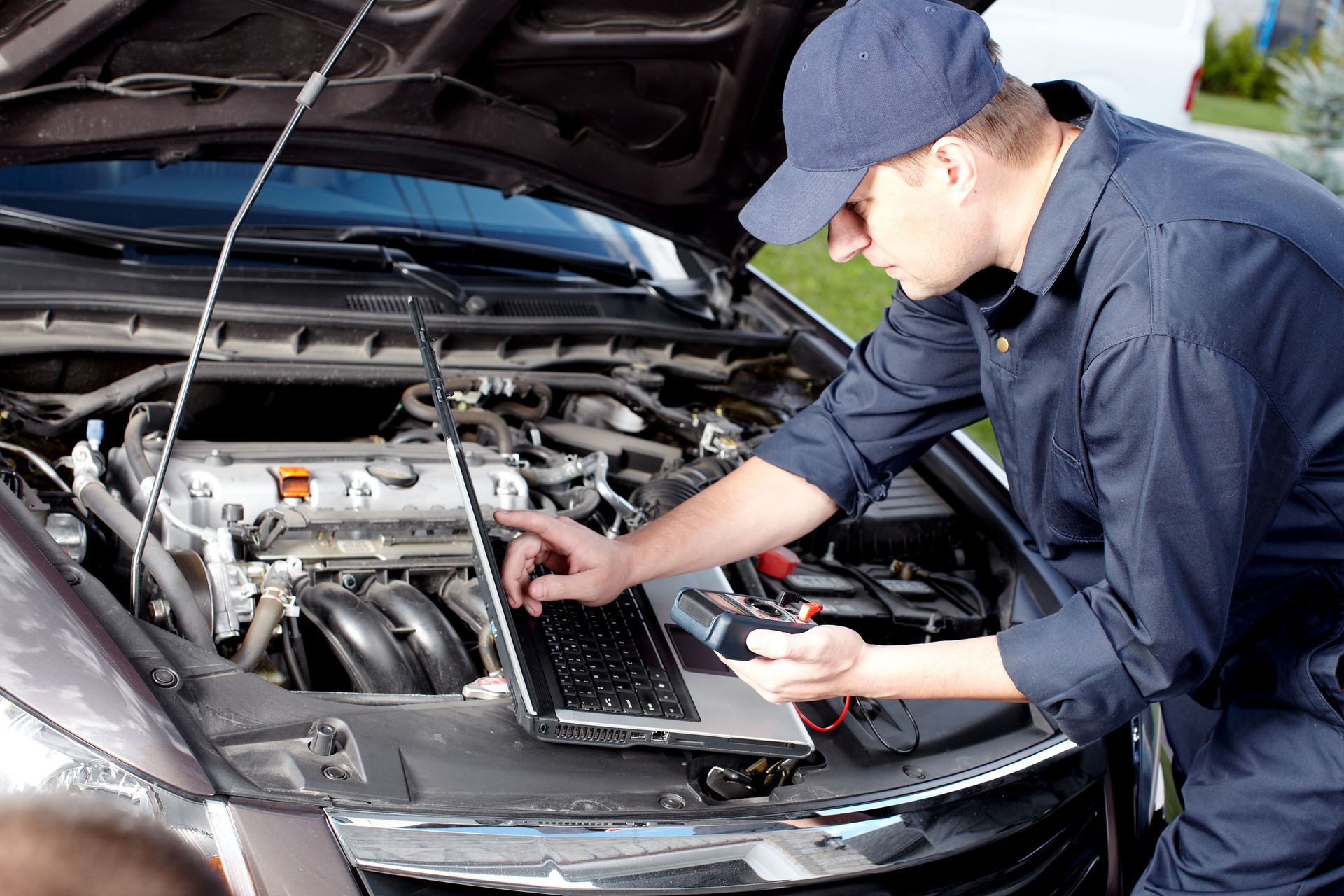
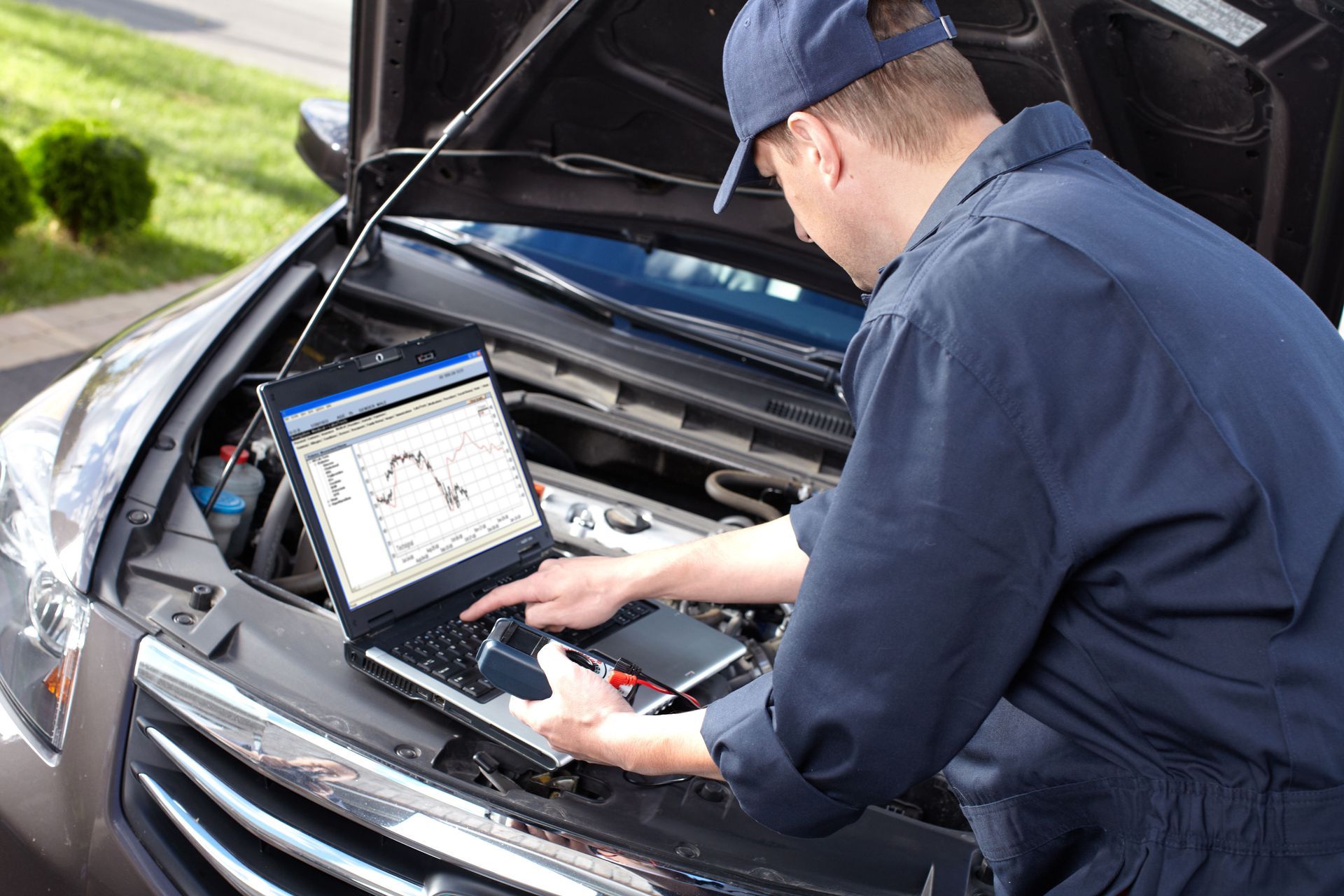
After the initial visual inspection, it's time to delve deeper into the car's systems using sophisticated diagnostic tools. These tools can pinpoint specific faults by communicating with the car's onboard computer to extract error codes. Such technology allows technicians to diagnose issues with pinpoint accuracy, identifying sensor failures, wiring problems, and other intricate issues. The use of diagnostic tools ensures that resources and time are efficiently utilized, directing attention to the precise areas that need repair. With the complexity of modern vehicles, this technological approach is indispensable in effective repair strategies.
Understanding Diagnostic Results
The reading and analysis of diagnostic results are critical stages in the repair process. After obtaining the data from diagnostic tools, technicians interpret the findings to outline the necessary repair actions. This stage often involves comparing error codes with manufacturer guidelines to understand the severity and implications of the problem. Understanding these results allows for an informed decision-making process, enabling the car owner to consider the options available and the associated costs. A clear analysis helps in crafting a repair plan that is both effective and efficient, prioritizing critical fixes to restore the car's functionality.
Providing a Repair Estimate
Once a comprehensive diagnosis is completed, the car repair service will provide a repair estimate. This document outlines the identified issues, recommended repairs, and their expected costs. An accurate estimate helps car owners budget accordingly and assess whether they want to proceed with the repairs. It also ensures transparency, enabling the owner to understand what they are paying for and why. Considering that major repairs can be costly, this step provides a clear financial overview, minimizing unexpected expenses and aligning the service with the owner's expectations.
Comprehensive Electrical System Check
Battery and Charging System Evaluation
A car’s battery and charging system are integral to its electrical health, often subject to diagnostic evaluations during service appointments. The evaluation process checks battery voltage levels and ensures that the alternator is effectively charging the battery. Faults in the charging system can lead to starting issues or cause the battery to die, necessitating urgent repair. Regular checks help prevent these inconveniences, providing proactive solutions before the battery and charging system failures occur. This preventative approach aligns with maintaining the vehicle's optimal function, crucial in managing overall repair costs.
Alternator and Starter Motor Inspection
Inspecting the alternator and starter motor is another critical component of the electrical system check. The alternator powers the car's electrical systems once the engine is running, while the starter motor is crucial for initiating the engine. Any malfunction in these components can lead to significant operational issues, such as failure to start or insufficient battery charging. Technicians assess these components for signs of wear, damage, or failure, ensuring that they are functioning correctly. Regular inspections prevent unforeseen breakages, aligning maintenance practices with an efficient upkeep strategy.
Fuse and Wiring Assessment
An in-depth assessment of fuses and wiring is necessary to diagnose and rectify electrical system failures. Fuses protect circuits from overload, and any damaged or blown fuses require immediate replacement to protect vehicle electronics. Wired connections, subject to wear and environmental factors, can develop faults that hinder electrical flow or pose safety hazards. Technicians examine these components for visible signs of damage and test connections to ensure electrical integrity. Maintaining this electrical infrastructure is key to the vehicle's reliability and safety, forming a crucial part of comprehensive maintenance.
Sensor and Relay Testing
Sensors and relays are essential parts of modern vehicles, contributing to everything from engine management to climate control. These components’ health is often verified through specialized testing during electrical system evaluations. Faulty sensors can trigger dashboard warnings or lead to inefficient engine performance, while malfunctioning relays affect critical systems' operations. Through testing, technicians can determine specific faults and action necessary repairs to restore full functionality. Addressing sensor and relay issues not only enhances performance but also prevents further costly system breakdowns.
Lighting and Indicator Functionality Check
Lighting and indicator systems, essential for safe driving, are routinely checked during electrical service appointments. This involves ensuring that all external and internal lights, including headlamps, brake lights, indicators, and dashboard indicators, function properly. Burnt-out bulbs or faulty wiring in these systems can lead to visibility issues and potential safety hazards. Regular checks help identify and resolve these issues promptly, contributing to a safer driving environment. Ensuring lighting systems' integrity is a cost-effective way of maintaining safety and adherence to road regulations.
The importance of choosing a reputable car electrical repair service cannot be overstated. Quality repairs ensure vehicle safety and functionality, while professional service can save time and prevent future issues. Stay informed of what to expect from these services to ensure your car remains in top condition. Be sure to reach out to Murray Auto Electric & Radio Communications today to learn more about our professional car electrical repair service!