The Signs Your Car's Electrical System Is Failing
Modern vehicles rely on complex electrical systems to power everything from the ignition and battery to lighting, sensors, and entertainment features. When electrical components begin to fail, even minor issues can quickly affect your vehicle's performance and reliability. Recognizing the warning signs early allows drivers to address problems before they lead to unexpected breakdowns or more expensive repairs. Strange symptoms such as dim lights, trouble starting the engine, or malfunctioning accessories should never be ignored. Many electrical issues develop gradually, making it important to pay attention to small changes in how your vehicle operates. Seeking professional car electrical repairs at the first sign of trouble can help prevent additional damage to connected components. Understanding the most common symptoms of electrical system failure allows drivers to respond with confidence. Here are several signs that your vehicle's electrical system may need professional attention.
1. Notice Difficulty Starting Your Vehicle
One of the most common warning signs of electrical trouble is difficulty starting the engine. If your vehicle hesitates, cranks slowly, or requires multiple attempts before starting, the electrical system may not be delivering sufficient power. While a weak battery is often responsible, other components such as the starter motor, alternator, or wiring can produce similar symptoms. Ignoring these warning signs may eventually leave you stranded without notice. Drivers should also pay attention to clicking sounds or intermittent starting problems that become more frequent over time. Prompt inspections can identify the underlying cause before complete failure occurs. Professional car electrical repairs help determine whether the battery, charging system, or another electrical component requires service. Addressing starting issues early reduces the risk of unexpected breakdowns.
2. Watch for Dim or Flickering Lights
Vehicle lighting provides valuable clues about the condition of the electrical system. Headlights, dashboard lights, or interior lights that dim or flicker unexpectedly often indicate inconsistent electrical output. These changes may become more noticeable while idling or when multiple electrical accessories are operating simultaneously. In some cases, the alternator may no longer be supplying adequate power to keep the battery charged. Loose wiring or corroded electrical connections can also contribute to inconsistent lighting performance. Drivers should avoid assuming the problem is limited to a burned-out bulb without further inspection. According to IBISWorld, nearly 299,000 businesses operate within the U.S. auto mechanics industry, highlighting the widespread availability of professional automotive repair services for diagnosing issues like these. Scheduling car electrical repairs when lighting problems first appear helps prevent additional electrical failures throughout the vehicle.
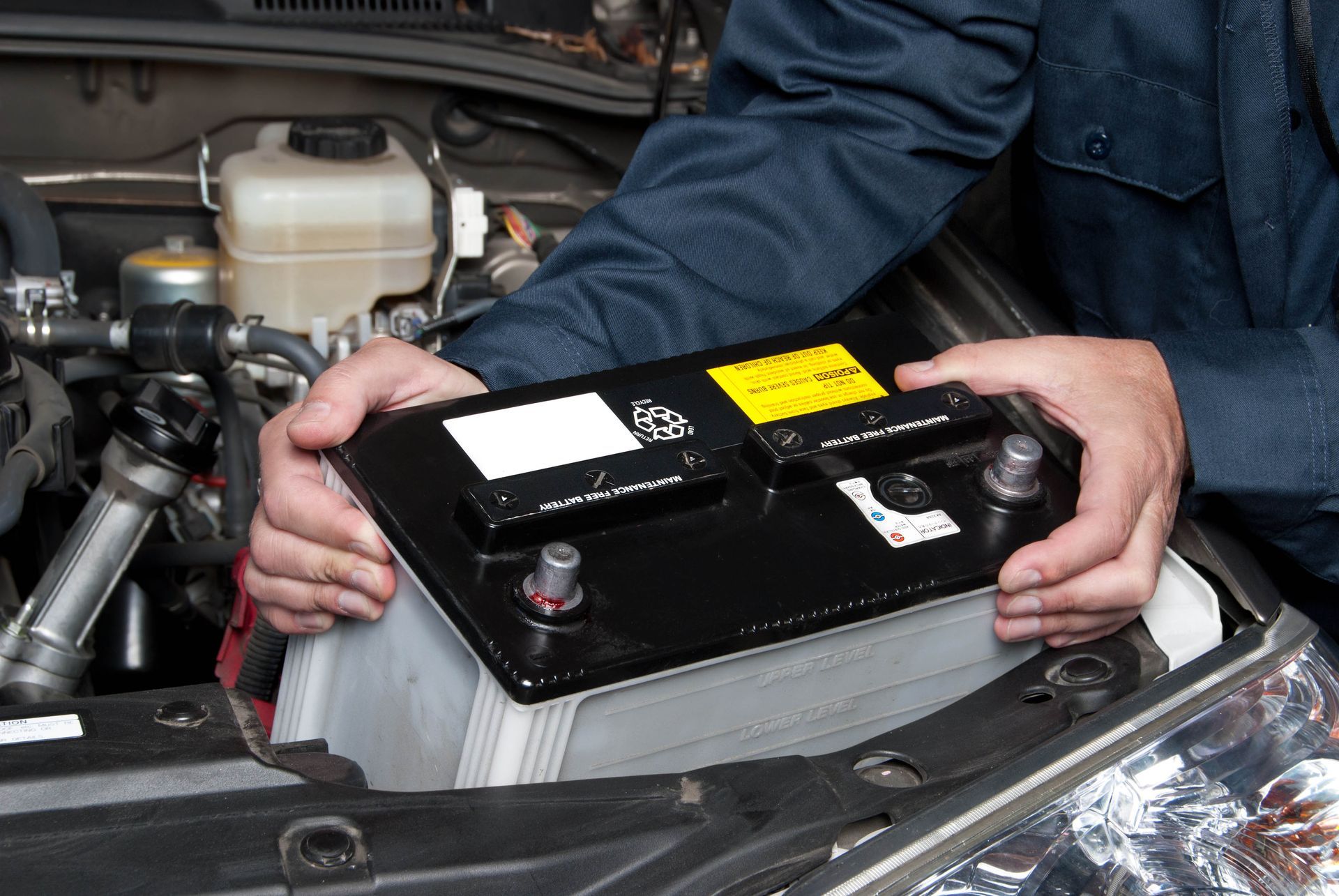
3. Pay Attention to Battery Problems
The battery serves as the primary source of electrical power when starting your vehicle. Frequent dead batteries, corrosion around battery terminals, or batteries that require repeated jump-starts may indicate a larger electrical issue. Simply replacing the battery may not solve the problem if another component is preventing proper charging. Alternator failures, damaged cables, or excessive electrical draws can shorten battery life significantly. Routine battery inspections help identify wear before complete failure occurs. Keeping battery terminals clean and ensuring secure connections also supports reliable performance. Professional car electrical repairs can determine whether the battery itself or another part of the charging system is responsible for recurring problems. Accurate diagnosis helps prevent unnecessary replacement of functioning components.
4. Observe Malfunctioning Electrical Accessories
Modern vehicles contain numerous electrical accessories that improve comfort, convenience, and safety. Power windows, door locks, climate controls, navigation systems, backup cameras, and infotainment systems all depend on reliable electrical operation. When multiple accessories begin malfunctioning at the same time, an underlying electrical problem may exist. Some accessories may operate intermittently before failing completely. Electrical faults can affect communication between various vehicle systems, leading to unpredictable behavior. Ignoring these symptoms may allow problems to spread to additional components over time. Car electrical repairs performed by experienced technicians can identify damaged wiring, faulty modules, or failing electrical connections. Restoring proper electrical function helps ensure these features continue operating safely and reliably.
5. Listen for Unusual Electrical Sounds
Vehicles occasionally produce sounds that indicate developing electrical concerns. Clicking noises during startup, buzzing sounds near electrical components, or unusual humming from under the dashboard may signal problems requiring attention. Faulty relays, worn starter motors, damaged switches, or loose wiring connections can all create unfamiliar sounds. While some noises appear only occasionally, they often become more frequent as electrical components continue to wear. Paying attention to these subtle warning signs helps prevent complete system failures. Drivers should avoid ignoring unfamiliar sounds simply because the vehicle still appears to operate normally. Professional inspections can identify the source before additional damage develops. Early diagnosis often results in simpler and less expensive repairs.
6. Monitor Warning Lights Carefully
Dashboard warning lights are designed to alert drivers when vehicle systems require attention. Battery warning lights, check engine lights, or charging system indicators may all point toward electrical problems. While warning lights do not always identify the exact issue, they should never be ignored. Continuing to drive with active warning indicators may allow relatively minor concerns to develop into larger mechanical or electrical failures. Professional diagnostic equipment helps identify which system triggered the warning and why. Responding promptly often reduces repair costs and minimizes downtime. Car electrical repairs performed after early warning light activation can help restore reliable operation before additional components become affected. Prompt attention improves both vehicle reliability and driver safety.
7. Notice Burning Smells or Blown Fuses
A burning odor inside or around your vehicle should never be ignored because it may indicate an electrical problem. Damaged wiring, overheated components, or short circuits can produce unusual smells before more serious damage occurs. Another common warning sign is repeatedly blown fuses, which often suggest that part of the electrical system is drawing more power than it should. While replacing a fuse may temporarily restore operation, recurring failures usually point to an underlying issue that requires further inspection. Continuing to drive without addressing these warning signs can increase the risk of damage to other electrical components. Prompt diagnosis helps identify the source of the problem before it affects the vehicle's overall performance. Professional car electrical repairs can locate damaged wiring, faulty circuits, or malfunctioning electrical parts and restore proper system operation. Taking action early helps improve vehicle reliability while reducing the likelihood of more extensive electrical repairs.
Many electrical problems begin with subtle warning signs before becoming significant failures. A single flickering light, occasional hard start, or temporary accessory malfunction may seem insignificant initially. However, these minor symptoms often indicate developing issues that continue worsening over time. Waiting until the vehicle completely loses power or fails to start can lead to more expensive repairs and greater inconvenience. Comparing early warning signs with more severe failures highlights the importance of preventative maintenance. Regular inspections allow technicians to identify worn components before they fail completely. Understanding this progression encourages drivers to address concerns sooner rather than later. Preventative service often protects multiple electrical components from unnecessary damage.
Routine electrical inspections help maintain dependable vehicle performance throughout the year. Technicians evaluate the battery, alternator, starter, charging system, wiring, and electrical connections for signs of wear or damage. Regular testing allows potential problems to be identified before they interfere with daily driving. Preventative maintenance also reduces the likelihood of sudden electrical failures during busy schedules or long trips. Electrical systems become increasingly complex as modern vehicles incorporate more advanced technology. Professional inspections provide valuable insight into the condition of these interconnected components. Car electrical repairs performed as part of routine maintenance can extend the life of important electrical systems while improving overall reliability. Staying proactive helps drivers avoid unexpected repairs and enjoy greater confidence behind the wheel.
If your vehicle is showing signs of electrical trouble, Murray Auto Electric & Radio Communications is ready to help. Our experienced technicians can diagnose electrical system issues and recommend dependable repair solutions that restore safe and reliable vehicle performance. Contact us today to schedule an inspection and keep your vehicle's electrical system operating at its best.